Saturday, September 19, 2026
* All product/brand names, logos, and trademarks are property of their respective owners.
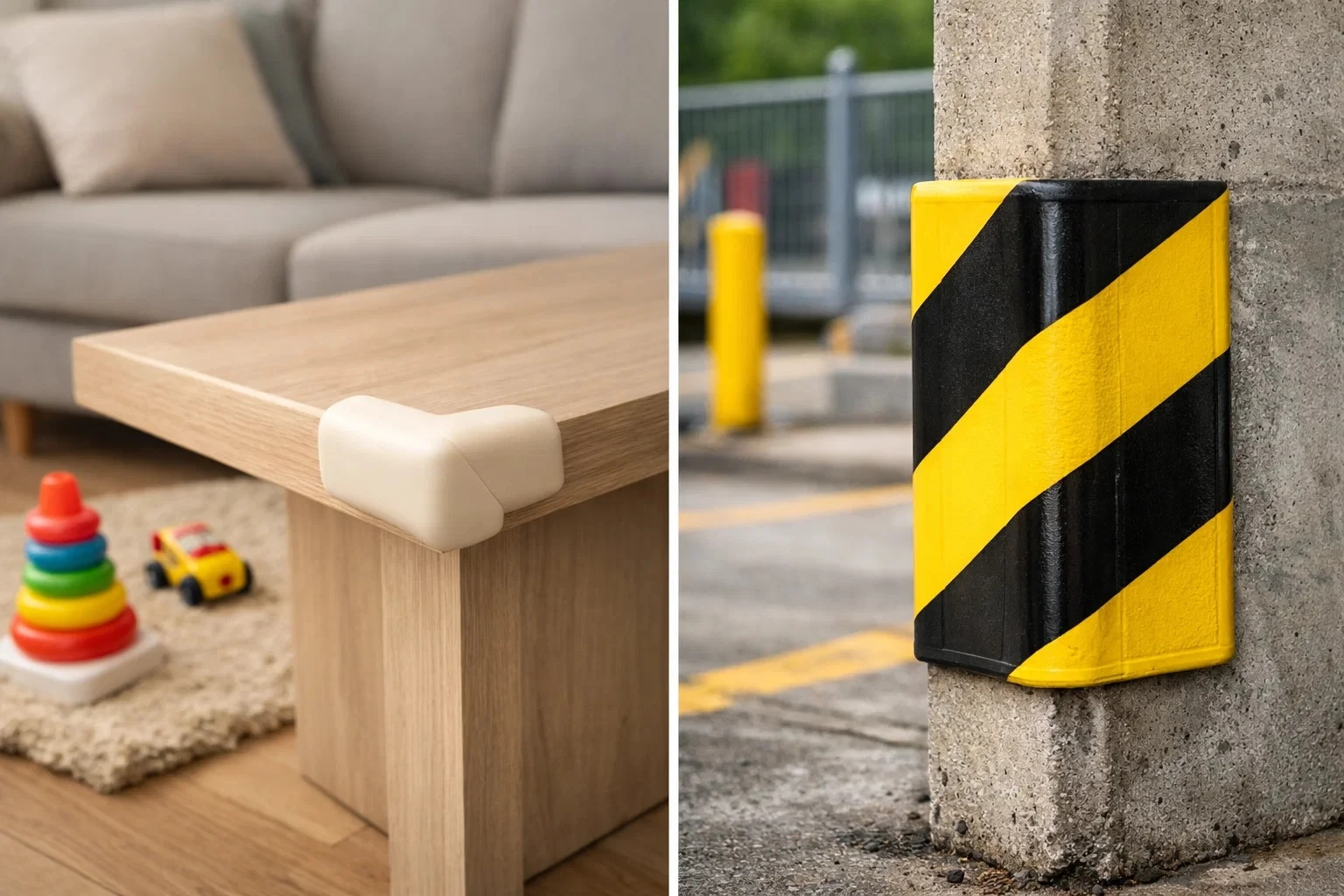
Corner protectors are a simple but essential feature for keeping walls and edges safe from damage. Whether in homes, offices, warehouses, or public spaces, they help prevent scrapes, dents, and injury. However, not all corner protectors are built the same. Depending on where you plan to install them — indoors or outdoors — the type of protector you need can differ significantly.
A foam corner guard that works well in a child's bedroom won't survive a rainy outdoor warehouse. Similarly, a heavy-duty stainless steel protector may be unnecessary for an office hallway. Choosing the wrong type not only leads to faster wear but also compromises safety and appearance.
In this guide, we’ll explore the real differences between indoor and outdoor corner protectors — including materials, installation, durability, use cases, and cost. Whether you're protecting your home or a commercial space, this will help you make an informed decision.
Indoor corner protectors:
Outdoor corner protectors:
Indoor protectors:
Outdoor protectors:
Indoor installation:
Outdoor installation:
Indoor protectors:
Outdoor protectors:
Ideal for:
Key benefits:
Best suited for:
Advantages:
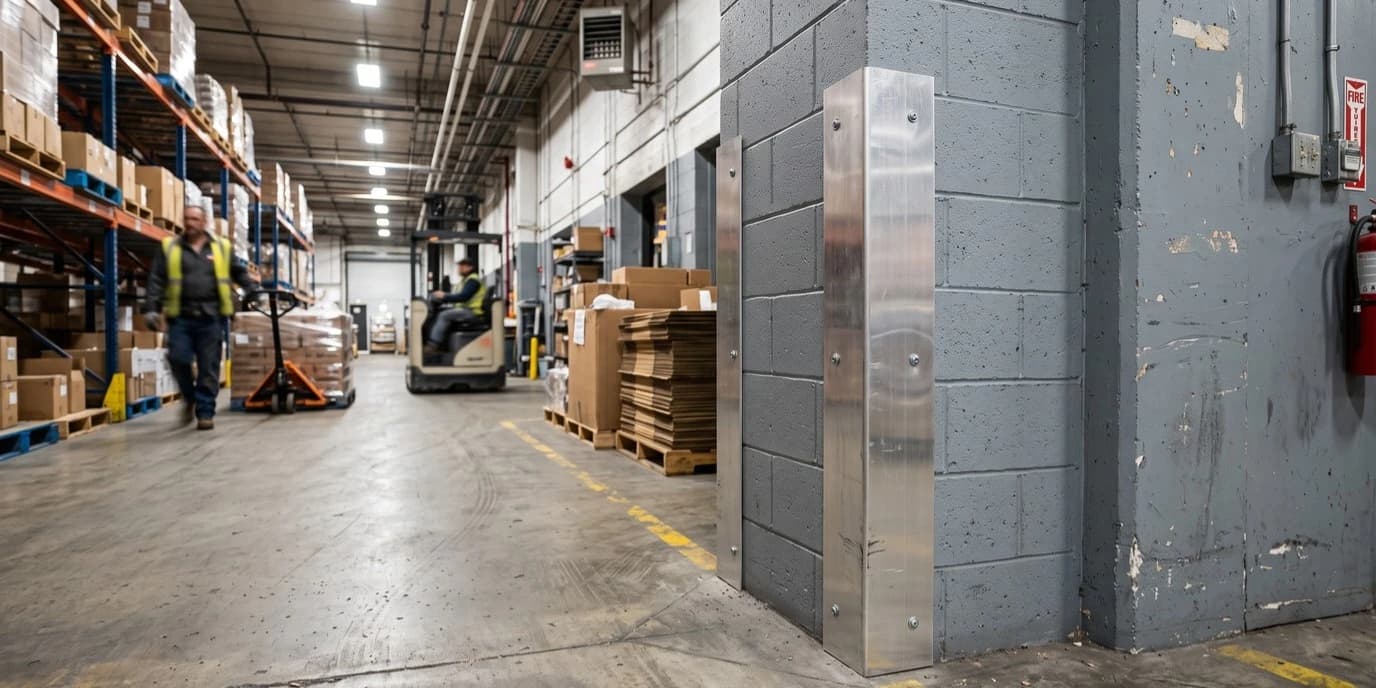
For durable outdoor protection, explore our full corner protector options designed for garages, driveways, and warehouses
Price range: £5–£15
Price range: £15–£40+
Bottom line: Outdoor guards cost more, but last significantly longer — especially in exposed or commercial zones.
Choosing the right protector is only step one. Ongoing maintenance ensures performance and appearance over time.
Indoor protectors in childcare or healthcare environments should be regularly sanitized for hygiene.
For outdoor use, UV-stable and weatherproof materials reduce the frequency of maintenance.
Beyond aesthetics or durability, many commercial and public settings require proper corner protection to meet regulations.
Failing to use the correct type of guard may lead to penalties, especially in commercial buildings or industrial zones.
At CornerProtector UK, our products are used in a wide range of real-world environments:
Ask yourself:
This quick evaluation helps narrow down the right choice based on your needs.
Corner protection plays a bigger role than most people think — especially when it comes to long-term safety, aesthetics, and structural integrity. The choice between indoor and outdoor corner protectors boils down to environment, durability, materials, and regulations.
At CornerProtector UK, we provide a full range of both indoor and outdoor wall corner guards — designed to protect what matters most. Whether you're a homeowner, business owner, or facility manager, we’ve got the right solution for your needs.
Browse our collection today at CornerProtector.co.uk and take the guesswork out of wall protection.

Corner Protector UK is a specialist supplier of durable corner protection solutions designed to safeguard walls, edges, and surfaces in residential, commercial, and industrial spaces. The company focuses on delivering high-quality products that enhance safety, durability, and long-term maintenance.
Staircases are one of the most frequently used and most frequently overlooked parts of any building.
3 September 2026
Walk through almost any busy commercial building — a warehouse, an office, a retail store, a s
1 September 2026
When people think about safety in bags, outdoor gear, and apparel, they usually focus on visible ele
18 February 2026
Be the first to share your thoughts
No comments yet. Be the first to comment!
Share your thoughts and join the discussion below.

.webp&w=3840&q=75)
.webp&w=3840&q=75)


.webp&w=3840&q=75)