Saturday, October 24, 2026
* All product/brand names, logos, and trademarks are property of their respective owners.
When homeowners and builders picture a renovation, they usually think about the big-ticket items: new flooring, fresh paint, updated kitchens or bathrooms. What often gets overlooked, until the very end of a project, is how everything is finished off. This is where bars, trims, and edging come in. These small, unassuming products play a surprisingly large role in how professional a finished space looks, how long materials last, and how safe a floor or wall junction actually is.
Whether you are laying new tiles, fitting timber flooring, boxing in a doorway, or simply trying to cover an unsightly gap between two surfaces, the right trim or edging strip can transform a rough transition into a clean, deliberate design feature. This guide walks through the main types of bars and edging available in the UK market, where each is typically used, and how to choose the right one for your project.
Bars and edging form a broad category covering the strips, profiles, and mouldings used to finish, protect, or transition between different surfaces. They serve three main purposes:
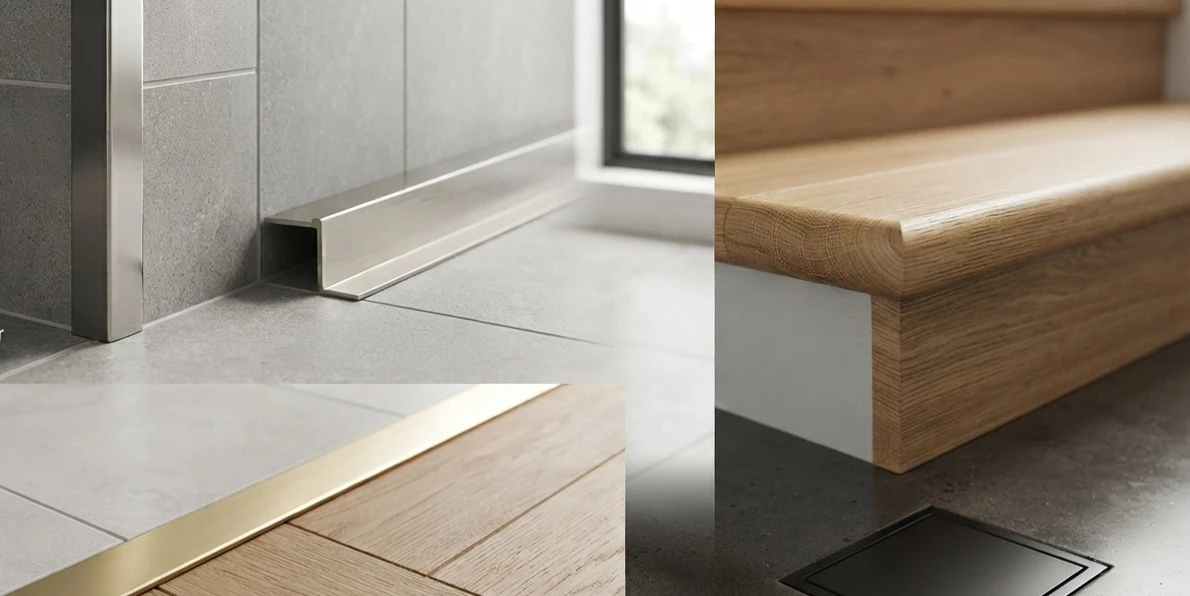
Bars and edging come in a wide range of materials, including aluminium, stainless steel, brass, PVC, and solid timber, in profiles suited to almost any thickness of flooring. For a comprehensive look at specialized solutions, exploring professional resources like https://www.stairsnosing.co.uk/ can help you see how various stair nosings and floor profiles compare side by side.
Flat bar trims are exactly what they sound like: a simple, flat strip of metal or hard-wearing material used to bridge a gap or cover a joint. They are among the most versatile products in this category because their low profile means they can be used almost anywhere two surfaces meet without creating a noticeable step.
Anyone who has tiled a bathroom or kitchen splashback will be familiar with the raw, exposed edge left once tiling is complete. Tile trim solves this by capping that exposed edge, protecting it from chipping and giving the whole installation a finished appearance.
Timber edging strips bring warmth and a natural finish to projects where metal trims would feel out of place. They are widely used in joinery, furniture-making, and flooring transitions.
Square bars offer a slightly more substantial profile than flat bar trims, providing a raised, defined edge rather than a flush finish.
Architraves are fitted around door frames and windows to cover the gap between the frame and the surrounding wall while protecting plaster edges from damage.
Style Considerations: Available in simple contemporary designs or ornate period-style mouldings. Matching architraves to skirting boards creates a cohesive interior.
Selecting the ideal trim or edging profile requires careful evaluation of both functional requirements and design aesthetics. To ensure a seamless installation, consider the following critical factors before making your purchase:
Transition bars create a safe, smooth, and aesthetically pleasing bridge between two different flooring types (such as tile to carpet or laminate to wood) or to accommodate minor height differences between adjoining rooms, reducing trip hazards and wear.
Stainless steel and heavy-duty aluminium are the top choices for high-traffic or commercial environments due to their exceptional durability, resistance to heavy impacts, and long-term structural integrity.
Metal trims generally only require regular wiping with a damp cloth and mild detergent. Timber edging requires occasional re-oiling or resealing, especially in high-wear or moisture-prone zones, to maintain its protective barrier and natural finish.
While bars & edging are frequently addressed in the closing stages of a renovation project, their impact on the outcome is immeasurably profound. Far from being mere afterthoughts, these architectural components act as the critical bridge between structural integrity and aesthetic refinement. From flat bar trims seamlessly bridging room thresholds and tile profiles shielding vulnerable wall corners to specialized stair nosings safeguarding high-impact steps, every individual product fulfills a vital role in interior architecture.
Investing the necessary time to select the correct material, finish, and profile does much more than simply elevate the visual sophistication of a property; it actively safeguards vulnerable surfaces, prevents costly premature degradation, and significantly extends the lifespan of your broader flooring and wall investments. Ultimately, meticulous attention to these finishing details is the definitive hallmark that separates a standard DIY update from a truly professional, enduringly flawless architectural finish.

Be the first to share your thoughts
No comments yet. Be the first to comment!
Share your thoughts and join the discussion below.
.webp&w=3840&q=75)