Saturday, September 19, 2026
.webp)
* All product/brand names, logos, and trademarks are property of their respective owners.
When it comes to upgrading a home, it’s often the smaller, easily overlooked details that make the biggest difference. Door thresholds are a perfect example. They quietly bridge gaps between rooms, smooth transitions between different floor types, and protect edges from wear — all while contributing to the overall finish of a space.
In recent years, UPVC wood-effect door thresholds have become increasingly popular in UK homes. They combine the visual warmth of timber with the durability and low-maintenance benefits of UPVC, making them a practical option for modern living. Unlike traditional wooden thresholds, which can warp or deteriorate over time, UPVC alternatives are designed to cope with moisture, temperature changes, and daily foot traffic. This guide explores what UPVC wood-effect thresholds are, where they work best, how they’re installed, and why they’ve become a go-to solution for homes with mixed flooring types.
UPVC wood-effect door thresholds are designed to replicate the appearance of real wood while avoiding the common drawbacks associated with timber. Through textured finishes and realistic grain patterns, they offer the visual appeal of oak, mahogany, or darker wood tones without the need for sanding, sealing, or polishing.
The surface is typically laminated or coated to resist scuffs, moisture, and everyday wear. This makes them well-suited to busy households where durability matters just as much as appearance. For homeowners who like the look of wood but prefer minimal upkeep, UPVC offers a balanced alternative.
Many UK homes feature a mix of flooring types — carpeted bedrooms, tiled kitchens, laminate lounges, and vinyl utility areas. Thresholds play a key role in joining these surfaces cleanly, particularly where there is a slight difference in floor height.
UPVC wood-effect thresholds perform well in these conditions because they’re not affected by damp or seasonal temperature changes. This makes them a reliable option for high-traffic areas such as hallways, entrances, and open-plan living spaces where durability and stability are essential.
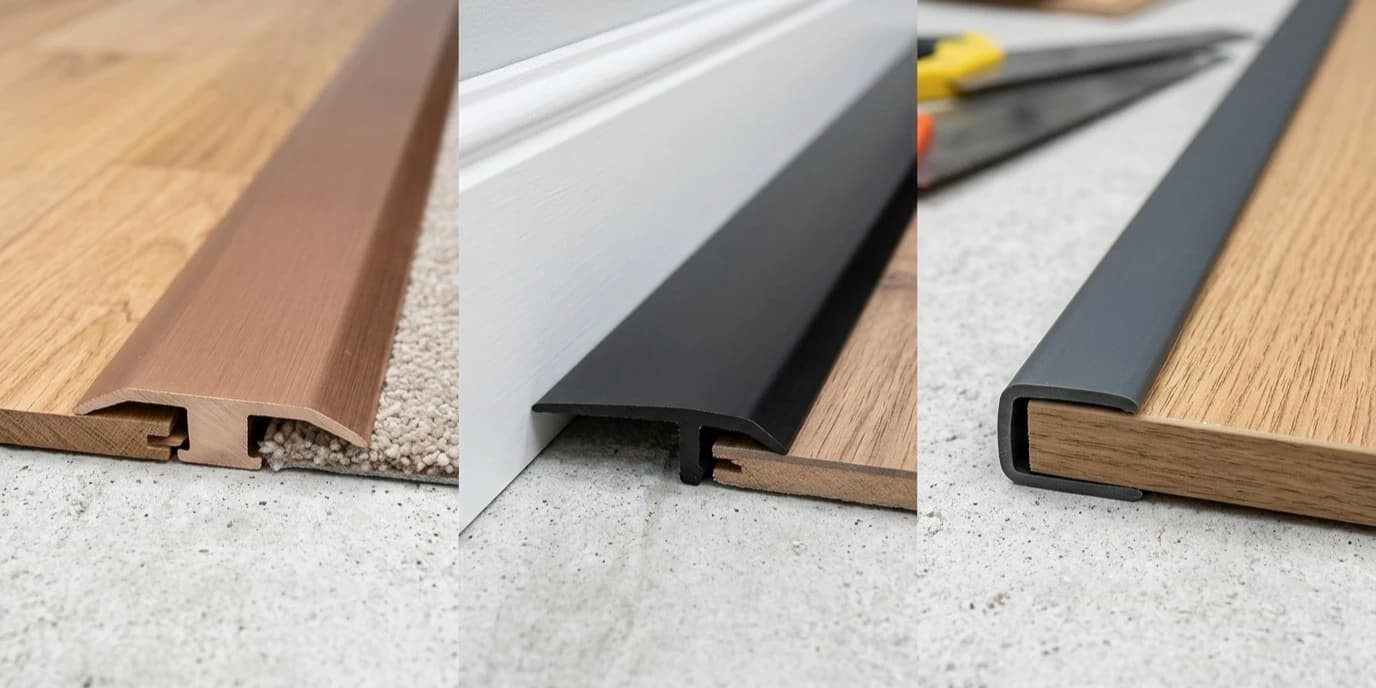
This type of threshold combines an aluminium core with a wood-effect UPVC finish. The aluminium provides structural strength, while the surface maintains a softer, more natural appearance.
It’s commonly used to connect flooring materials at different levels, such as laminate to tile or carpet to wood. The added rigidity makes it suitable for doorways that experience frequent use, helping the threshold retain its shape over time.
Screw-fixed UPVC thresholds are designed for areas where extra stability is required. Once secured, they offer a firm and long-lasting solution that’s less likely to shift or lift under pressure. These are often used in hallways or near external doors where foot traffic is heavier. With a range of wood-effect finishes available, they can blend seamlessly with surrounding flooring while remaining functional and discreet.
Self-adhesive thresholds are a popular choice for quick interior upgrades. They’re typically slimmer and designed for smoother transitions where floor height differences are minimal. Because they don’t require drilling, they’re well-suited to rental properties or DIY projects where speed and simplicity matter. Once fitted onto a clean, dry surface, the adhesive backing provides a neat finish without visible fixings.
Slightly thicker UPVC threshold strips can provide added durability underfoot while retaining a low-profile appearance. This makes them suitable for shared living areas such as lounges, kitchens, and corridors, where regular foot traffic is common.
The additional thickness may help accommodate minor height differences between adjacent floor surfaces, while a wood-effect finish allows the transition to remain visually unobtrusive. Examples of commonly used profiles and finishes can be referenced through aluminium wood-effect door thresholds, illustrating how different options are applied across varied flooring combinations.
Before installation, it’s important to choose a fixing method that matches the location and level of use:
Screw-fixed thresholds work best in high-traffic areas or where floors are uneven.
Self-adhesive thresholds are ideal for interior rooms where a quick, clean installation is preferred.
The decision often comes down to how permanent you want the solution to be and the type of flooring involved.
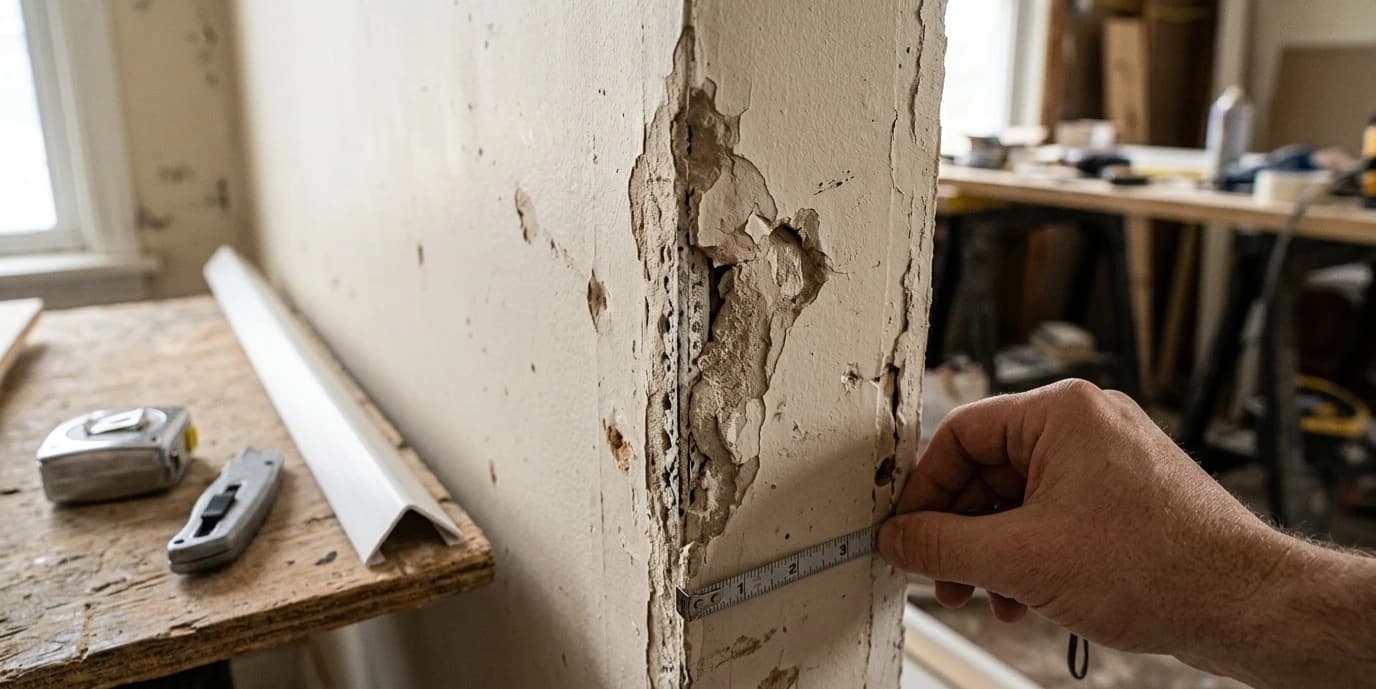
Accurate measurement is key to a neat finish. Measure the width of the doorway or gap carefully, then cut the threshold to size using a fine-tooth saw or suitable cutting tool. Before fixing, ensure both floor surfaces are clean, dry, and free from dust. This is especially important for self-adhesive options, as proper surface preparation helps ensure a secure bond.
Most UPVC wood-effect thresholds are designed with DIY installation in mind. Screw-fixed profiles typically require a drill, screwdriver, and saw, while adhesive options can often be installed using just a measuring tape and a knife. In many cases, fitting a threshold can be completed in under half an hour, making it a manageable weekend task for most homeowners.
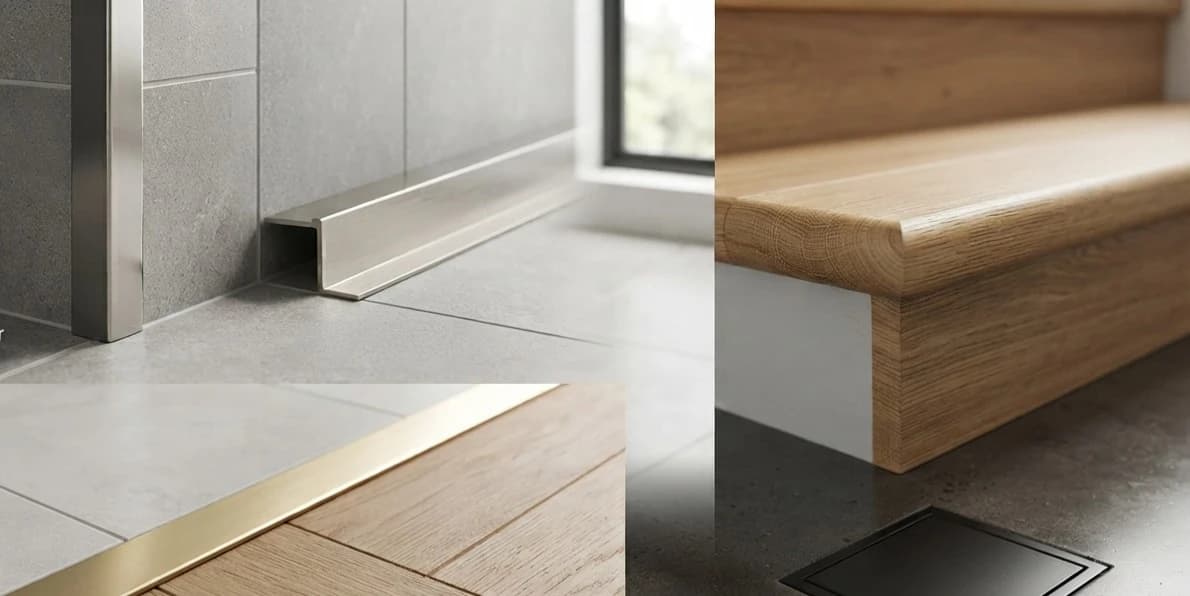
Thresholds are commonly used to create clean transitions between adjoining rooms with different flooring types. In open-plan layouts, they help define spaces without interrupting the visual flow of the floor.
Living rooms connected to kitchens or hallways are typical examples where a well-chosen threshold can make a subtle but noticeable difference to the overall finish.
In areas where moisture is more likely — such as bathrooms or utility rooms — UPVC thresholds offer better resistance than timber alternatives. Their stable structure helps prevent swelling or distortion over time. Low-profile designs also make them suitable for bedrooms and family spaces, where reducing trip hazards is an important consideration.
UPVC wood-effect door thresholds are commonly used where both appearance and practicality are considerations. They allow interiors to reflect a timber-style finish while avoiding some maintenance requirements associated with traditional wood. In homes with mixed flooring types and varying room functions, these thresholds help manage transitions, protect exposed floor edges, and support visual consistency across spaces. Using a suitable profile and fixing method can ensure the threshold performs effectively over time. For research purposes on flooring transitions and interior finishing, reference material on door thresholds can be found at doorthresholds.uk

Door Thresholds UK is a specialist supplier of high-quality door thresholds and flooring transition solutions for residential and commercial properties. The company focuses on providing durable, precise, and easy-to-install products designed to improve finishing, safety, and aesthetics.
Anyone who has ever finished laying a new floor knows that the job isn't quite done until the doorwa
8 September 2026
It rarely starts big. A tap that won't stop dripping. A kitchen you've put up with for too long. And
25 June 2026
Most home improvement projects are judged by big-ticket elements: new flooring, a retiled bathroom,
30 January 2026
Be the first to share your thoughts
No comments yet. Be the first to comment!
Share your thoughts and join the discussion below.
.webp&w=3840&q=75)

.webp&w=3840&q=75)
.webp&w=3840&q=75)