Saturday, September 19, 2026

* All product/brand names, logos, and trademarks are property of their respective owners.
In today’s fast-paced UK workplaces—ranging from industrial facilities and warehouses to kitchens and workshops—safety is far more than a regulatory requirement. It’s a strategic priority that protects staff, enhances efficiency, and minimises operational risks. One often overlooked but highly effective method of improving workplace safety, insulation, and impact resistance is the use of carefully selected rubber products.
Rubber solutions can play multiple roles in a facility: they provide electrical insulation, reduce slip and fall hazards, absorb mechanical impact, and enhance worker comfort. Their adaptability makes them ideal for a wide variety of industrial, commercial, and institutional environments. By focusing on functionality and practical applications rather than branding, businesses can create safer, more resilient workspaces.
This guide explores four key categories of rubber products that can make a measurable difference in workplace safety:
Electrical safety matting to minimise the risk of shocks and slips
Anti-fatigue matting to enhance comfort and reduce strain for standing workers
Rubber pads for vibration absorption and surface protection
Rubber matting to provide grip, thermal insulation, and durable floor protection
Electricity is a constant presence in modern industrial environments, from manufacturing lines to maintenance workshops. Despite rigorous safety protocols, electrical hazards remain a leading source of workplace injuries. Rubber-based electrical safety matting offers a practical solution, combining insulation and slip resistance to protect employees in high-risk areas.
These mats act as a non-conductive barrier between personnel and live equipment. Beyond shock prevention, anti-slip textures reduce the likelihood of falls, particularly in zones prone to spills or moisture accumulation. Mats designed with fine ribbing or patterned surfaces enhance stability and grip underfoot, even in high-traffic areas.
Products within the industrial mats category are engineered to meet UK and international safety standards. They can provide compliance with Class 0 and Class 2 ratings, capable of handling voltages of up to 17kV and 26.5kV, making them suitable for use in control rooms, switchboards, or testing stations where reliable insulation is essential.
Control rooms and switchboards
Manufacturing and maintenance areas
Testing labs and electrical workshops
By integrating appropriate matting in these environments, businesses can reduce risk, enhance operational safety, and protect personnel from both electrical and slip-related hazards.
Employees who spend long hours standing on hard floors are susceptible to fatigue, joint strain, and musculoskeletal disorders. Anti-fatigue matting offers a subtle yet effective intervention, promoting micro-movements in the legs and calves to improve circulation and reduce overall fatigue.
This ergonomic benefit translates into higher productivity, fewer sick days, and improved employee well-being. Well-designed mats also combine slip resistance, drainage, and durable construction to withstand the rigours of industrial and commercial environments.
Interlocking mats for flexible workstations allow businesses to configure layouts according to operational needs.
Thicker mats with cushioning properties help absorb shocks and reduce the impact of repetitive movements.
Mats with high-visibility edging can delineate safety zones in areas where foot traffic intersects with machinery or moving equipment.
By prioritising comfort and stability, anti-fatigue matting supports a culture of safety and wellbeing, while subtly enhancing compliance with workplace health standards.
While larger flooring solutions often get the spotlight, rubber pads quietly support workplace safety by absorbing vibrations, reducing surface wear, and stabilising equipment. These small yet versatile components are critical in environments that involve heavy machinery, sensitive installations, or frequent movement of equipment.
Rubber pads can be placed under machinery, between surfaces, or used as temporary buffers during installation. By absorbing shocks, they reduce the risk of equipment damage and minimise noise in high-impact areas, while also protecting floors from wear and tear.
Machinery vibration dampening
Noise reduction in production areas
Floor protection in workshops or warehouses
Different types of pads, from oil-resistant options to compressible variants suitable for automotive or mechanical applications, allow for tailored solutions across industries. Their subtle presence delivers tangible benefits in safety, durability, and workplace efficiency.
Rubber matting offers a versatile layer of protection, combining non-slip surfaces, thermal insulation, and impact resistance. Its adaptability makes it suitable for a wide range of workplace environments, from entranceways and walkways to high-traffic production zones.
Beyond slip prevention, rubber matting acts as a thermal buffer, reducing the chill of cold floors in warehouses or garages. Its cushioning properties also help protect tools and materials from damage if dropped, while reducing fatigue for staff who stand or move constantly.
Entrance and transitional areas to capture dirt and moisture
Workstations and assembly lines requiring ergonomic support
Walkways and wet zones where slip hazards are elevated
Mats with textured surfaces, such as diamond patterns or honeycomb designs, enhance grip while maintaining durability. Certain types of matting also support easy cleaning and long-term resilience, making them a cost-effective component in workplace safety strategies.
By using rubber matting thoughtfully, businesses can improve safety, protect assets, and maintain operational efficiency across multiple areas of the facility.
Workplace safety is multifaceted, encompassing personnel protection, operational efficiency, and long-term sustainability. Rubber products provide a practical, versatile, and durable solution to many common workplace hazards, from electrical risks and fatigue-related injuries to slip incidents and surface damage.
Key insights to consider when implementing rubber solutions include:
Electrical safety matting reduces shock risks and enhances compliance
Anti-fatigue matting supports ergonomic wellbeing and reduces fatigue
Rubber pads absorb vibration and protect both equipment and flooring
Rubber matting provides non-slip surfaces, thermal insulation, and impact resistance
Selecting and deploying these products strategically can create measurable improvements in workplace safety and comfort. They are not just regulatory tools—they are practical enablers of a safer, more efficient, and more resilient working environment. For additional insights and a broad overview of workplace rubber solutions, resources are available at therubbermats.uk.

UK writer Evan covers home improvement, construction, and lifestyle trends, sharing practical insights for readers.
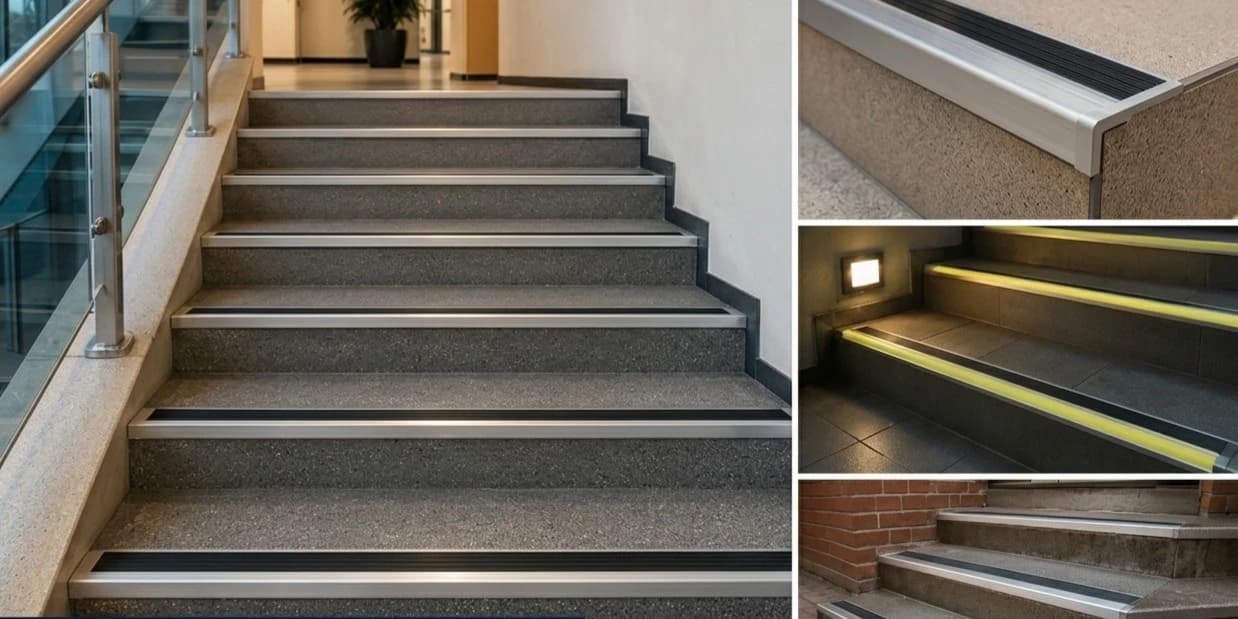
Staircases are one of the most frequently used and most frequently overlooked parts of any building.
3 September 2026
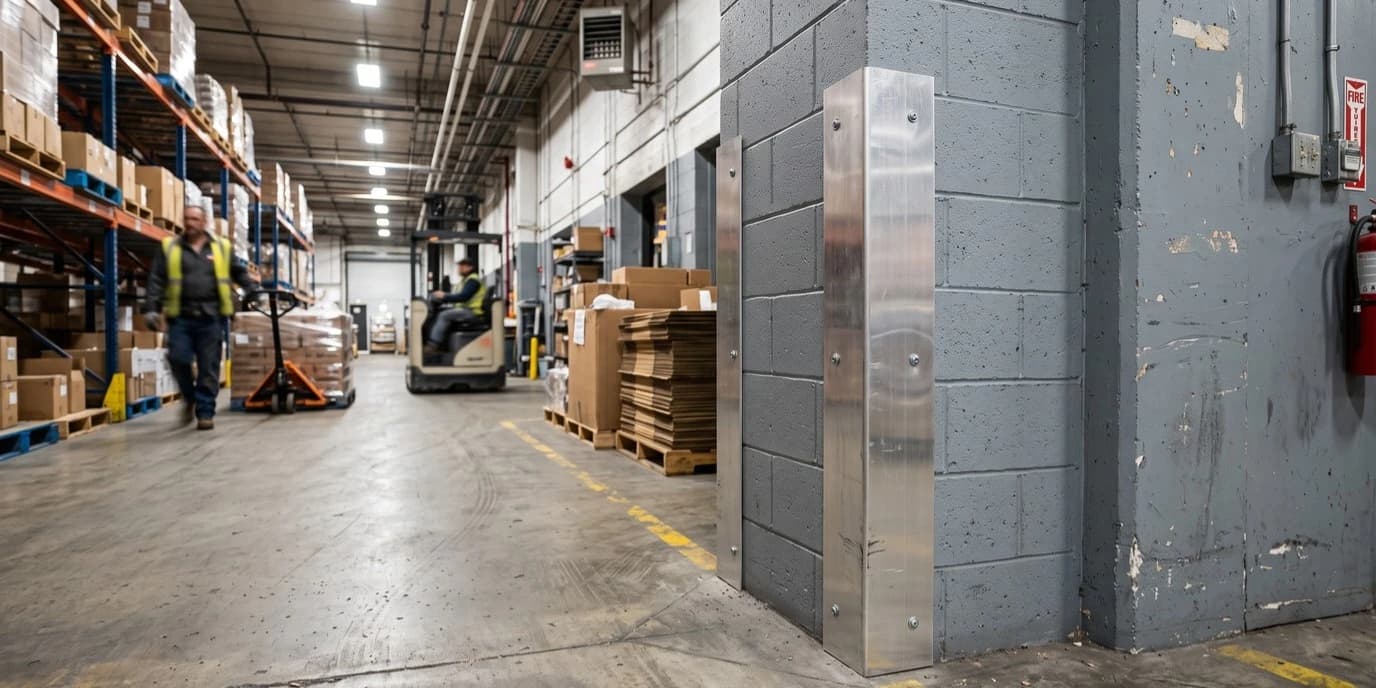
Walk through almost any busy commercial building — a warehouse, an office, a retail store, a s
1 September 2026
When people think about safety in bags, outdoor gear, and apparel, they usually focus on visible ele
18 February 2026
Be the first to share your thoughts
No comments yet. Be the first to comment!
Share your thoughts and join the discussion below.


.webp&w=3840&q=75)
.webp&w=3840&q=75)


.webp&w=3840&q=75)