Wednesday, August 26, 2026
* All product/brand names, logos, and trademarks are property of their respective owners.
Have you ever stepped on a rug that suddenly slipped out from under you? It might seem like a small annoyance, but loose rugs are actually one of the leading causes of unexpected trips and falls in the home — especially on smooth flooring like hardwood or tile. These incidents are more common than many realize, and they pose real risks, particularly in homes with children, elderly family members, or pets.
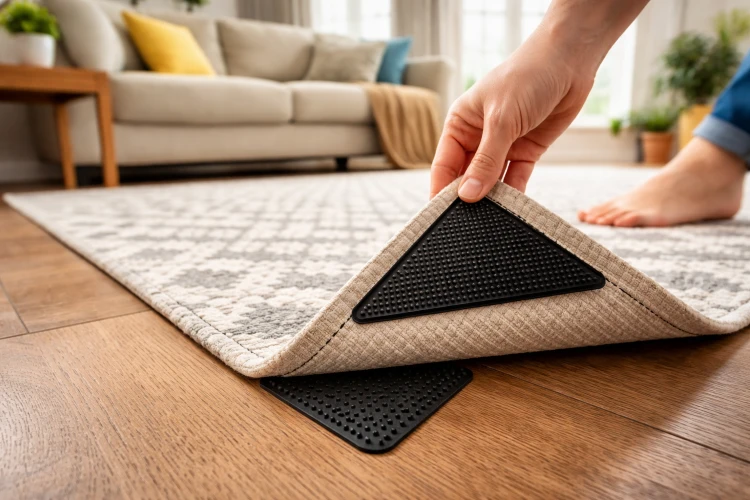
That’s where rug grippers come in. These small but mighty tools help anchor your rugs in place, preventing dangerous slips before they happen. Whether it's in a busy hallway, under a coffee table, or at your front door, rug grippers offer a simple yet powerful way to boost home safety without changing your home décor.
Rugs may look cozy and harmless, but on smooth surfaces like hardwood, tiles, or laminate flooring, they can become slip hazards in seconds. The main reason rugs move is a lack of friction between the rug's underside and the floor. When pressure is applied — like someone stepping on the rug or dragging furniture — it causes the rug to slide, bunch up, or curl at the corners.
This problem is even more noticeable in high-traffic areas like entryways or living rooms. Without a proper grip, even the best rugs can become a nuisance or, worse, a danger. That’s why preventing rug movement is more about safety than just aesthetics.
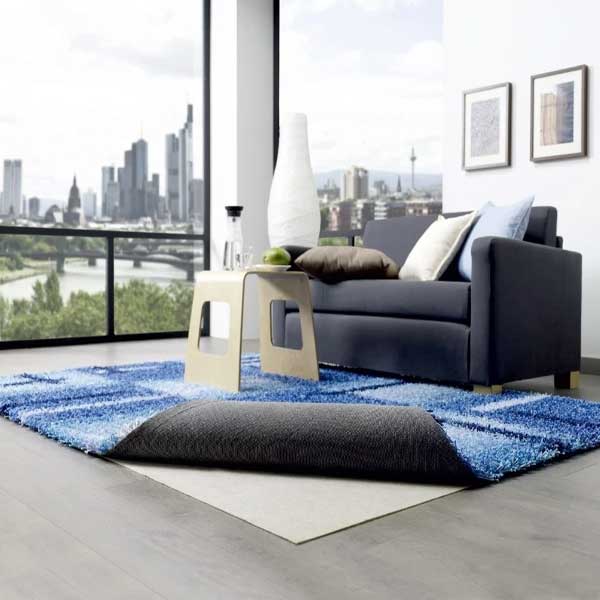
Rug grippers come in several styles, each designed for specific needs and floor types:
Rug Pads: These are placed underneath rugs and provide full-surface grip. They’re great for larger rugs and work well on wood, tile, and laminate.
Corner Grippers: These adhesive or silicone pads are placed under each rug corner to stop them from curling up — a common tripping point.
Double-Sided Rug Tape: A quick and affordable solution for smaller rugs. It sticks both to the floor and the rug, keeping it firmly in place.
When shopping for these options, it’s helpful to explore dedicated safety tools like those offered in the rug-gripper category. These are designed specifically to improve grip strength while being safe for different flooring materials.
While they may seem minor, slipping rugs are responsible for countless household accidents every year. According to global home safety data, falls are one of the top causes of injury, especially for young children and adults over 65. A loose or curled-up rug can catch a toe, shift unexpectedly, or cause someone to lose balance — often leading to bruises, sprains, or more serious injuries.
In homes with elderly residents, even a small fall can result in fractures or long-term mobility issues. Similarly, kids running indoors or pets darting across rooms can unintentionally trip over rugs that aren’t securely fastened. These incidents are not just accidents — they’re often preventable with the right tools in place.
Rug grippers offer an effective, low-cost safety solution to reduce these risks. They hold rugs firmly in place, keeping edges flat and stable to minimize the chance of unexpected movement.
Not all rooms carry the same level of risk when it comes to rug slipping. Areas with frequent movement and foot traffic — such as hallways, entryways, kitchens, and bathrooms — are more likely to experience rug displacement.
In these zones, it’s especially important to secure rugs properly. Using rug grippers in these spots creates a more reliable, slip-resistant surface. Households that prioritize safety often turn to trusted providers like M industrial safety to find reliable products designed for everyday use in real homes.
Consider this: A hallway runner without grippers can become a hazard in just a few days — but with proper anchoring, it stays put, no matter how many people walk over it daily.
Not all rug grippers are created equal — and not all floors react the same way. Choosing the right gripper starts with understanding your flooring material.
Hardwood & Tile Floors: These smooth surfaces often benefit most from non-adhesive rug pads or rubberized grippers that provide friction without leaving residue.
Carpeted Floors: For rugs placed over carpet, use rug-to-carpet grippers that lock the rug in place without damaging either surface.
Laminate or Vinyl Floors: Go with non-slip pads or removable corner grips that won’t lift or shift the flooring underneath.
If you’re unsure what works best, look for product descriptions that specify compatibility — especially from curated safety product collections like rug-gripper, which are designed with different floor types in mind.
Installing rug grippers is generally quick and simple — but a few best practices can ensure long-lasting safety:
Clean the Floor Surface First: Dust, moisture, or debris can reduce adhesion. Always clean and dry the area thoroughly.
Position the Grippers at Key Points: Place pads or strips at all four corners and center (if using full rug pads).
Avoid Overstretching Tape or Pads: This can cause the rug to curl or shift instead of staying flat.
Test Before Final Placement: Especially if using adhesive products, do a quick placement check to ensure it sits flush.
These simple installation steps can dramatically improve home safety without any need for tools or professional help.
Even the best rug grippers lose effectiveness over time. Dust build-up, wear-and-tear, or simply aging materials can reduce their grip strength. That’s why it’s important to check grippers periodically — especially in high-traffic areas.
To keep them working at their best:
Wipe down rubber or silicone pads monthly to remove dirt and debris.
Replace adhesive tapes when corners start lifting or the rug shifts during movement.
Inspect after cleaning the floors, as some floor-cleaning products can break down adhesive layers or reduce grip.
Keeping your grippers in top shape ensures your rugs stay where they’re meant to — safe, secure, and slip-free.
It’s a good habit to create a quarterly “rug safety check” routine — it only takes a few minutes per room but can prevent unnecessary accidents.
Here’s a simple checklist to follow:
Are any rug corners curling up or sliding?
Do any rugs shift noticeably when walked on?
Are your grippers clean, flat, and securely placed?
Is there visible wear or peeling of any grip materials?
Pro Tip: Add reminders on your calendar to inspect all area rugs seasonally. This is especially useful after moving furniture, cleaning floors, or if there are children, elderly individuals, or pets in the home.
By taking small, consistent actions, you can extend the life of your grippers and, more importantly, keep your living spaces safer for everyone.
Loose rugs may seem harmless, but they’re one of the most overlooked causes of slips and falls at home. Whether it’s a hallway runner that slides every time someone walks by or a living room rug that curls at the corners, these little movements can create big safety risks over time.
Rug grippers are a simple yet effective way to tackle this issue head-on. They work by anchoring rugs in place, preventing them from shifting, bunching, or curling. From rubber pads to corner grips and adhesive tapes, there’s a solution for every type of flooring and rug style. More importantly, these tools can reduce accidents and make your home a safer place for kids, seniors, and pets alike.
You don’t need a full home renovation to improve safety — sometimes, it’s the small changes that make the biggest difference. By choosing the right rug grippers and maintaining them regularly, you’re investing in both comfort and peace of mind.
Take action today! Secure those rugs, protect your loved ones, and enjoy a safer, slip-free home environment.

M Industrial Safety UK supplies reliable, high-quality safety and industrial products for workplaces across the UK. From PPE and safety footwear to site and industrial equipment, we provide compliant solutions designed to protect people and support professional environments. With a focus on quality, reliability, and customer service, we help businesses stay safe, efficient, and compliant — every day.
When people think about safety in bags, outdoor gear, and apparel, they usually focus on visible ele
18 February 2026
In industrial and commercial environments, magnets are often treated as simple, low-risk components.
5 February 2026
In today’s fast-paced UK workplaces—ranging from industrial facilities and warehouses to
31 January 2026
Be the first to share your thoughts
No comments yet. Be the first to comment!
Share your thoughts and join the discussion below.