Thursday, October 15, 2026
* All product/brand names, logos, and trademarks are property of their respective owners.
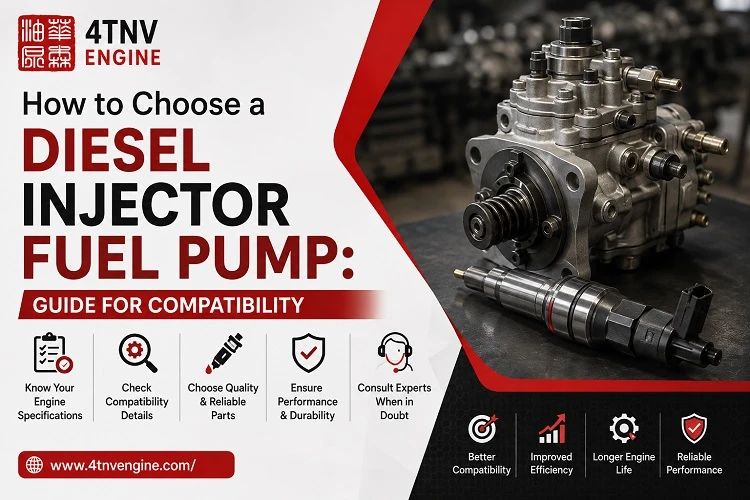
The selection of the wrong fuel pump for a diesel injector may be more expensive than the cost of the pump. It can result in engine downtime, fewer fuel miles, and customer frustration due to equipment being unable to start. You're not the only one who's ever felt lost when trying to find a replacement part, especially with so many pressure ratings and engine codes to navigate.
This guide covers all aspects of injector pump compatibility. We will cover all of the major specifications to verify, the common errors consumers make, and how to verify a perfect fit before ordering. Whether you're a fleet manager, a workshop, or sourcing parts for industrial engines, this guide will help you make confident purchases.
A fuel pump for a diesel engine isn't a "one size fits all" component. Each engine has its own pressure needs, fuel delivery time, and engine mounting structure. If you install the incorrect pump, you could face a number of serious problems beyond just the cost of the pump itself.
Fuel leaks or a poor fit of the seals
Uneven fuel pressure and misfiring.
Lower engine output and increased fuel consumption
Early failure of diesel injector and fuel system components
OEM equipment warranties may be voided.
A compatibility mismatch can mean hours of wasted labor and long-term engine damage. This one step is often the difference between a quick repair and a week of downtime for a workshop or fleet manager.
It's important to begin with the fundamentals. The right pump must be physically compatible with your engine, based on the manufacturer, model, and production year. The specifications may change even for minor differences between engine generations, so never assume that two similar-looking models use the same pump specifications.
There are several types of fuel delivery systems that are used for diesel engines. Most older engines use mechanical injection pumps, while a common rail system with electronic control is more common in most modern engines. A pump designed for a mechanical system cannot be used in a common rail system, regardless of outward similarity.
Always check the rated pressure output and flow rate before purchase. These numbers are to be matched with your diesel engine fuel system design. If the pump is underrated, it will fail to supply fuel, and if it is overrated, it can cause stress on the injector over time. Always check these numbers against the original specifications and not by sight.
Always cross-reference the OEM part number with the replacement pump's cross-reference table. A reliable supplier will include a detailed chart so that buyers can be sure the diesel injector pump matches the OEM specification. This step helps catch mislabeled parts before they reach your workshop.
Diesel fuel is abrasive to internal parts. Look for corrosion-resistant materials, quality seals, and precision machining. Often, cheaper pumps wear out early because they are built with inferior materials that cannot withstand the stresses of daily use, vibration, or heat.
Consider the location of the engine operation. Fuel pump requirements vary from one application to the next, including agricultural equipment, marine engines, generators, and on-road trucks. A poorly matched part will have a short life due to dust, moisture, and long duty cycles, so always match the pump to the real operating environment, not just the engine code.
Most diesel engines fall into two broad categories, and finding out which you have is the quickest way to narrow down your options.
|
Feature |
Mechanical Injector Pump |
Common Rail Injector Pump |
|
Control Method |
Mechanical, governor-based |
Electronic control unit (ECU) |
|
Fuel Pressure |
Lower, tied to engine RPM |
High, controlled independently |
|
Common Use |
Older diesel engines, basic machinery |
Modern trucks, construction and industrial engines |
|
Maintenance Needs |
Simpler, fewer sensors involved |
Requires diagnostic tools for service |
|
Emissions Compliance |
Limited by design |
Built to meet stricter emission standards |
New diesel equipment is increasingly adopting common rail because of the improved fuel control and emission performance it provides. Mechanical pumps continue to work as well on older fleets, but parts may be harder to obtain as manufacturers transition to electronic systems.
Before you place an item in your shopping cart, check this quick list. This will take a couple of minutes but will save you from a costly return and replacement cycle.
Write down the complete engine model, serial number, and the year of manufacture.
Identify your fuel system type, mechanical or common rail.
Find the OEM part number marked on the old pump.
Compare that number with the number found on the supplier's compatibility chart.
Ensure the pressure and flow settings are appropriate for your engine.
Ask your supplier about installation support and warranty terms before ordering.
If the pump is matched properly, it saves many times its cost. This is why it's beneficial to confirm compatibility ahead of time.
Improved mileage and reduced operating expenses over the life of the vehicle
Smoother engine performance, including easier cold starts
Longer lifespan for the diesel injector and fuel system
Less equipment downtime and fewer unplanned equipment breakdowns.
Easier and less costly compliance with regional emission standards.
Even experienced buyers fall into these traps. Being aware of them upfront is far easier than dealing with the consequences later.
Choosing a pump based on price without checking the specifications
Not doing the OEM cross-reference at all
Ignoring small differences in pressure rating
Failure to purchase from a supplier with technical support
Assuming all pumps are of the same type and brand
Diesel fuel systems are changing rapidly. As manufacturers strive to improve fuel consumption and reduce emissions, common rail injector pump technology has taken the place of outdated mechanical designs. Restrictive regional emission standards also encourage the use of OEM parts because they are engineered to meet those requirements by design. Meanwhile, sectors such as construction, agriculture, marine, and power generation are calling for tougher pumps that require minimal maintenance during long operating periods. Suppliers who combine engineering accuracy with strong technical support are becoming the preferred choice for fleet operators and workshops worldwide.
The first step in selecting the appropriate diesel injector fuel pump is to know exactly what your engine needs. Check engine model, OEM part number, pressure, and flow ratings before buying. These measures will help make sure the pump installs correctly and functions as intended.
Installing an incompatible fuel injector pump can lead to poor engine performance, frequent starting failures, excessive fuel consumption, and costly breakdowns. Before purchase, confirm the compatibility of the diesel fuel injector pump with the engine to prevent damage, downtime, and costly repairs.
For a reliable OEM replacement, 4tnvengine (XiaMenJin HuaSen Propulsion System) provides the best diesel injector fuel pumps and technical assistance. Our team can assist fleet owners and repair shops in deciding on the best fit for their equipment, all without the hassle or confusion.
The fuel pump pressurizes and delivers fuel to the injector, which then sprays it directly into the engine cylinder. Both parts play a part but are doing different jobs.
Compare the part number, fuel system type, and pressure rating to your engine's specifications. This is quick and reliable with a trusted supplier's cross-reference chart.

Vipul Mishra is a confident and positive individual who values personal growth, meaningful connections, and new experiences. He believes in staying genuine, focused, and optimistic in every aspect of life.
"Which trim do I actually need?" It's a fair question, and one that trips up a lot of first-time buy
7 September 2026
Finishing touches make or break a renovation. You can fit a beautiful new floor or repaint a room pe
4 September 2026
Flat bar trims are one of those quiet building products that rarely get noticed until they're missin
3 September 2026
Be the first to share your thoughts
No comments yet. Be the first to comment!
Share your thoughts and join the discussion below.