
Monday, September 28, 2026
* All product/brand names, logos, and trademarks are property of their respective owners.
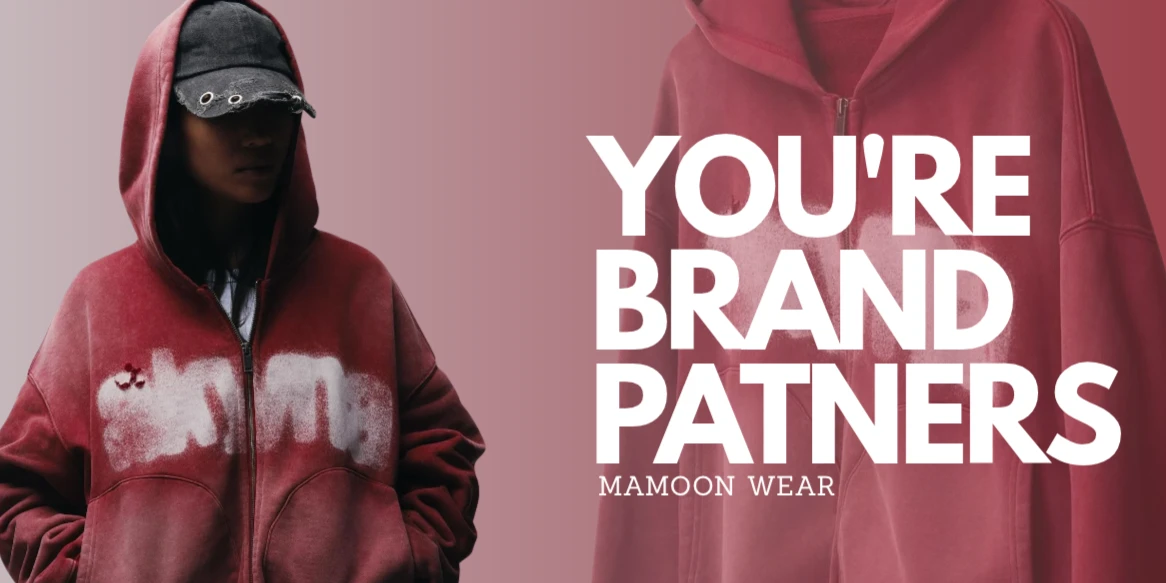
The American apparel market thrives on individuality, premium quality, and brand identity. From streetwear brands in Los Angeles to corporate merchandise in New York, custom clothing has evolved from a niche offering into a dominant force in the fashion industry. Among all custom garments, one piece remains an absolute wardrobe staple across all demographics: the custom hoodie.
Whether you are launching an independent fashion brand, creating athletic team gear, or procuring high-quality corporate apparel, choosing the right production partner is the most critical decision you will make. Working with expert custom apparels manufacturers ensures that your design concepts transition seamlessly into high-end physical garments that withstand the demands of the US market.
In the US fashion landscape, hoodies have transcended their casual, athletic roots. Today, custom hoodies serve as canvas pieces for luxury fashion labels, essential merchandise for tech startups, and core inventory for modern athleisure lines.
The American consumer expects a balance of style, durability, and comfort. A well-constructed custom hoodie must offer precise tailoring, premium fabric blends, and long-lasting print or embroidery quality. To achieve this level of craftsmanship, fashion brands must move away from off-the-shelf catalog blanks and partner directly with dedicated apparels manufacturers capable of full custom development.
Versatility Across Seasons: From crisp autumn days in New England to air-conditioned office spaces in California, hoodies are worn year-round across the United States.
Brand Expression: High-density screen printing, puff prints, intricate embroidery, and custom chenille patches allow brands to establish distinct visual signatures.
Streetwear Culture: The rise of drop culture and limited-edition releases has made heavyweight, custom-cut hoodies highly coveted collector items.
Corporate Merchandising: Tech hubs and modern enterprises have replaced traditional corporate attire with premium, co-branded apparel that employees actually enjoy wearing.
When building a successful apparel collection, understanding product construction is vital. Elite custom apparel manufacturers focus on several crucial garment elements during the sample development and production phases:
The weight and weave of the fabric define the drape, structure, and thermal performance of the hoodie.
Midweight (280–320 GSM): Ideal for spring and fall layering, indoor wear, and general promotional collections.
Heavyweight (350–450+ GSM): The gold standard for premium streetwear and luxury brands, offering a boxy structure, maximum warmth, and a substantial, high-end feel.
Fleece vs. French Terry: Brushed fleece provides classic interior softness and warmth, while French Terry offers a smooth exterior with a moisture-wicking loopback interior perfect for activewear and year-round use.
Standard sizing often fails to capture contemporary fashion trends. Leading manufacturers offer custom cut-and-sew options, including:
Oversized / Drop-Shoulder Cuts: Dominant in modern streetwear and urban fashion.
Athletic / Tailored Fits: Streamlined designs popular in fitness apparel and collegiate wear.
Cropped & Boxy Profiles: Trending silhouettes in contemporary streetwear and women's activewear collections.
Small details separate mediocre apparel from high-end collections. Double-lined hoods offer enhanced structure and warmth, while custom metal aglets, branded eyelets, flat drawstrings, and reinforced kangaroo pockets add distinct craftsmanship to every piece.
To stand out in the competitive US retail environment, apparel brands utilise advanced customisation techniques tailored to their specific market positioning:
Screen Printing (Plastisol, Water-Based, High-Density): Perfect for bold graphic designs, large back prints, and durable color application.
Embroidery & 3D Puff Embroidery: Delivers a classic, tactile finish that adds texture and elegance to brand logos and emblems.
Sublimation Printing: Best suited for performance fabrics and all-over graphics, ensuring vibrant colors that won't fade or crack.
Custom Labelling & Trim Packages: Woven main labels, satin care labels, custom hangtags, and branded polybags ensure your custom hoodies arrive fully shelf-ready for retail or direct-to-consumer fulfillment.
Similar to industry leaders like DRH Sports, Mamoon Wear stands out as a reliable name in the custom apparel manufacturing sector. Specializing in high-performance sportswear, contemporary streetwear, and bespoke garment solutions, Mamoon Wear is dedicated to bringing original brand visions to reality.
With advanced manufacturing facilities, rigorous quality control processes, and extensive expertise in custom cut-and-sew manufacturing, Mamoon Wear supports clothing brands, sports teams, and commercial clients throughout the US. From initial technical pack development to bulk production and custom finishing, Mamoon Wear offers full-service manufacturing solutions designed to meet strict international standards of quality, precision, and durability.
Navigating the global supply chain can be complex for fashion startups and established labels alike. Partnering with professional custom apparels manufacturers offers several operational advantages:
Unlike simple print-on-demand services that rely on standard stock blanks, specialised manufacturers allow you to control every aspect of garment creation—from fabric composition, dye colours, and garment washing to precise measurement charts and custom panelling.
Experienced manufacturers implement step-by-step quality checkpoints during fabric knitting, dyeing, cutting, printing, stitching, and final packing. This ensures that every piece in a bulk order maintains identical dimensions and finishing quality.
Direct manufacturing partnerships provide scalable production capabilities, allowing growing brands to scale from small production runs to large volume orders while maintaining competitive profit margins.
Launching a successful custom hoodie line requires a clear production strategy:
Design & Tech Pack Creation: Define your concept, fabric preferences, garment measurements, color palettes (Pantone codes), and artwork placement.
Sample Development: Work with your manufacturer to produce a prototype sample to evaluate fit, fabric feel, and print/embroidery execution.
Sample Review & Fitting: Test the sample for sizing, durability, and comfort. Request necessary adjustments before approving bulk production.
Bulk Production: Once the sample is approved, raw material sourcing, cutting, printing, sewing, and quality inspections proceed.
Finishing & Delivery: Garments are fitted with custom tags, folded, polybagged, and shipped directly to your warehouse or distribution hub.
For modern streetwear brands in the US market, a fleece or French Terry weight between 350 GSM and 450 GSM is generally recommended. This creates a structured, heavyweight silhouette that feels premium and durable.
Standard printing involves applying designs onto pre-made, mass-produced clothing blanks with fixed measurements. Custom cut-and-sew manufacturing involves creating the garment entirely from scratch—allowing you to define the exact fabric type, custom sizing measurements, unique paneling, dyeing, and full branding elements.
It depends on your brand's aesthetic:
Puff Embroidery or High-Density Print: Great for modern, tactile streetwear logos.
Flat Embroidery: Ideal for classic corporate branding, athletic logos, and subtle chest designs.
Water-Based Screen Printing: Preferred for large, soft-hand back graphics on soft cotton hoodies.
Sample development generally takes between 2 to 3 weeks, depending on design complexity, fabric availability, and custom print or embroidery requirements.
Yes, professional apparel manufacturers offer complete private labeling packages, including woven neck labels, size tags, care labels, custom hangtags, branded polybags, and retail packaging.
Building a standout apparel brand in the US requires a relentless focus on quality, design precision, and dependable supply chain management. By focusing on premium fabric weights, refined tailoring, and distinct customisation techniques—and partnering with proven apparel manufacturers like Mamoon Wear—you can create custom hoodies and custom apparel collections that resonate with your target audience and stand the test of time.

When engineering teams request CNC quotations, many are surprised by the gap between budget and fina
9 September 2026
10 August 2026
UK manufacturing environments operate under constant pressure. Equipment runs for extended hours, ma
14 February 2026
Be the first to share your thoughts
No comments yet. Be the first to comment!
Share your thoughts and join the discussion below.





.webp&w=3840&q=75)
.webp&w=3840&q=75)
