Tuesday, August 4, 2026
* All product/brand names, logos, and trademarks are property of their respective owners.
In today’s industrial world, environmental safety is no longer optional — it’s a critical responsibility. While large-scale pollution issues often make headlines, there’s a silent but serious threat that’s often overlooked: spills entering storm drains. Whether it’s oil from a warehouse loading dock or chemicals leaking from storage, even small spills can have devastating consequences when they flow untreated into local water systems.
Storm drains aren’t connected to treatment facilities — they empty directly into rivers, lakes, and the surrounding environment. This means whatever enters them, enters nature. For industries handling hazardous liquids or heavy machinery, a single uncontrolled spill can harm ecosystems, violate environmental regulations, and lead to significant legal consequences.
Despite the risks, drain protection is often treated as an afterthought. But in reality, it’s one of the simplest and most effective ways to safeguard both the environment and your operations. Understanding how spill protection works — and why it matters — is a crucial step toward responsible industrial safety.
Spills may seem harmless on-site, but once they enter storm drains, they become part of a much larger problem. Most industrial facilities are located near drain networks that lead directly to local water bodies. These networks are designed for stormwater, not hazardous substances. As a result, chemicals, oil, and other pollutants discharged into these drains travel untreated into rivers, lakes, and groundwater reserves.
Even a minor leak from a warehouse, refueling station, or production line can result in long-lasting contamination. Substances like hydraulic fluid, solvents, and antifreeze are toxic to fish, plants, and aquatic organisms. Once in the water system, they disrupt ecosystems by altering pH levels, reducing oxygen supply, and poisoning natural habitats. Soil contamination is also common when polluted water seeps into surrounding land areas, affecting agriculture and local biodiversity.
Industrial runoff isn’t just an environmental issue — it’s a costly one. Across the globe, incidents involving stormwater pollution have resulted in major fines, legal actions, and public backlash. For example, in the UK and US, environmental agencies like the Environment Agency and EPA have penalized companies for failing to prevent spills that contaminated public waterways.
One spill can lead to cleanup costs, halted operations, and lasting reputational damage. Moreover, if toxic materials reach sources of drinking water, the consequences extend to public health and community safety — triggering liability that could follow a business for years.
The lack of visible damage makes this problem more dangerous. Unlike fires or structural damage, the effects of drain pollution unfold slowly, often going unnoticed until the damage is done. That’s why proactive protection is vital — and far more cost-effective than reactive cleanup.
Industrial sites face high spill risks due to the frequent handling of oils, chemicals, fuels, and wastewater. That’s why having the right equipment in place is essential — not just for emergencies, but for everyday operations. One of the most effective lines of defense? Drain protection tools designed specifically to block or filter runoff before it causes harm.
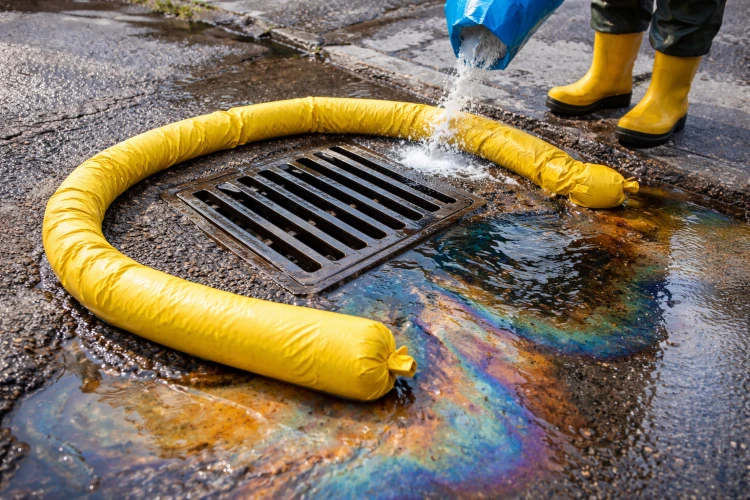
Common solutions include drain covers, which are portable and easy to deploy during maintenance or spills. These covers form a tight seal over drain openings, preventing liquids from flowing through. Drain seals and plugs are also widely used — ideal for both indoor and outdoor settings where heavy-duty protection is needed. For high-traffic areas like loading bays or fueling stations, drain barriers and spill berms offer an additional layer of containment.
Some facilities also invest in permanent drain guards, which sit within or above the drain and use filtration media to trap sediment, hydrocarbons, and other pollutants. These devices reduce environmental impact during routine washdowns or rainy weather when residues are likely to be washed away.
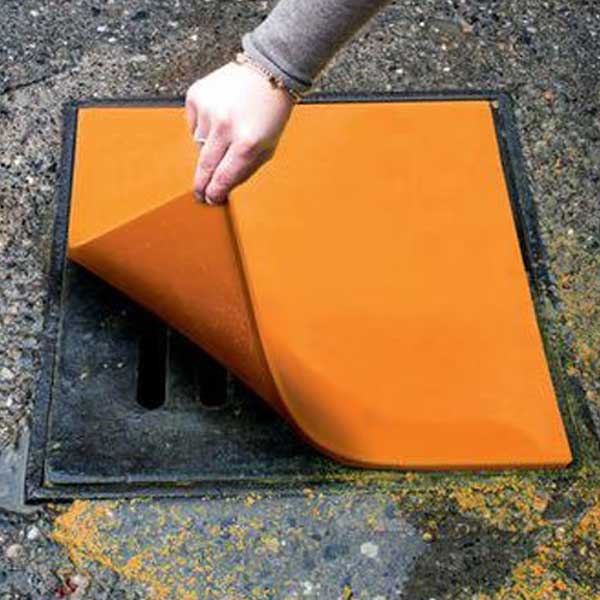
For businesses looking to implement or upgrade their solutions, explore more drain spill protection options available at M Industrial Safety. The range includes high-quality, industrial-grade products suited for various environments and compliance needs.
In addition to equipment, a strong spill response plan is essential. That includes training employees on how to act quickly in case of a spill, maintaining accessible spill kits near vulnerable areas, and conducting regular drain inspections to ensure tools are in place and functioning.
It’s also a good idea to label all storm drains and mark spill zones to build awareness among staff and contractors. Many facilities now conduct drill exercises that simulate spill scenarios to improve preparedness and reduce panic during real events.
Prevention is always better than reaction. And with the right tools and a clear action plan, businesses can significantly reduce the risk of environmental damage while protecting their operations.
One of the key components of compliance is ensuring that stormwater drains are protected. This includes using physical barriers and filtration systems to prevent runoff contamination. Non-compliance can result in hefty fines, legal penalties, and even temporary shutdowns of operations — especially if a business is found to have caused environmental harm due to negligence.
For industries operating in high-risk zones — such as manufacturing, chemical processing, and logistics — these requirements aren't just suggestions. They are enforced standards that must be integrated into daily safety practices.
Beyond legal obligations, there's a broader responsibility businesses must shoulder: protecting the communities and environments they operate within. Today’s industrial leaders are expected to go beyond compliance — to lead with transparency and environmental integrity.
Installing reliable drain spill protection systems signals a company’s commitment to safety, sustainability, and long-term operational resilience. It also fosters trust with regulators, clients, and the public. In an age where ESG (Environmental, Social, and Governance) reporting is gaining ground, even small actions like sealing a drain during maintenance can make a big difference in corporate reputation.
Spill protection isn’t just a regulatory requirement — it’s a frontline defense for environmental safety. In industries where the risk of chemical leaks, oil spills, or liquid runoff is part of daily operations, ignoring drain protection can have long-term, irreversible consequences. From harming local ecosystems to facing legal and financial penalties, the cost of inaction is simply too high.
Thankfully, the solution is straightforward. By investing in the right equipment, training your team, and taking proactive safety measures, you not only protect the environment — you also safeguard your operations, your reputation, and your compliance record.
If your facility is ready to step up its safety game, M Industrial Safety offers a wide range of industrial-grade products tailored to meet today’s strict environmental standards. Drain protection may seem like a small detail, but it plays a big role in a safer, cleaner, and more responsible industrial future.

M Industrial Safety UK supplies reliable, high-quality safety and industrial products for workplaces across the UK. From PPE and safety footwear to site and industrial equipment, we provide compliant solutions designed to protect people and support professional environments. With a focus on quality, reliability, and customer service, we help businesses stay safe, efficient, and compliant — every day.
Hot tapping is a useful method that allows new pipe connections without stopping the flow inside the
24 July 2026
When you choose a valve for any industrial setup, it’s very easy to think that all valves serv
10 June 2026
In modern industrial environments, material selection plays a crucial role in equipment reliability,
9 February 2026
Be the first to share your thoughts
No comments yet. Be the first to comment!
Share your thoughts and join the discussion below.