Thursday, September 17, 2026
* All product/brand names, logos, and trademarks are property of their respective owners.
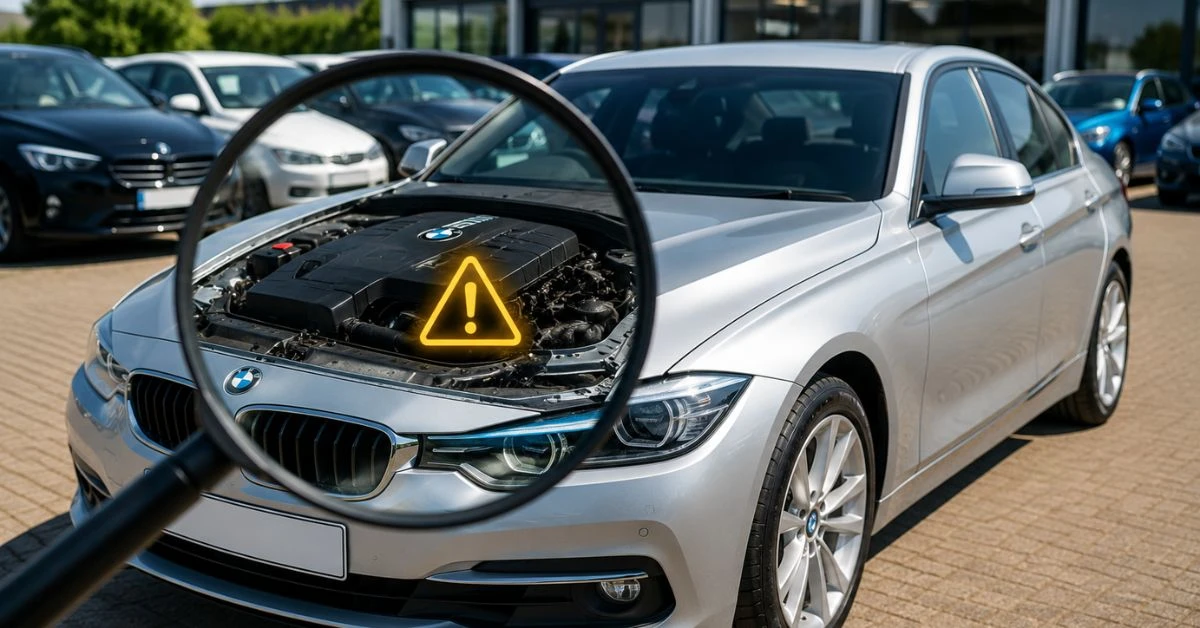
BMW used cars offer a tempting blend of luxury, performance, and prestige but they also come with hidden risks. Before you hand over your cash, you need to know exactly what can go wrong. From oil leaks to electrical gremlins, neglected BMWs can drain your wallet faster than a new one loses value.
This guide walks you through the most common BMW used car problems, how to spot them before you buy, and what ownership really costs. Whether you are looking at a 3 Series, 5 Series, or X5, these tips will save you from expensive surprises.
If you prefer to see and test multiple vehicles in person, visit a trusted local used car dealership where you can compare models, check service histories, and often get a warranty.
BMW engineering is sophisticated, but sophistication brings complexity. A well‑maintained BMW can easily cover 150,000 miles. A neglected one?
You will face breakdowns within months. The key difference is previous ownership, service discipline, and mileage. Mainstream brands like Toyota or Honda may tolerate missed oil changes. BMW does not.
So before you fall in love with that gleaming second‑hand 320d or 520i, accept this truth: you are buying a performance machine that demands attentive care.
Let me break down the five problem areas reported most often by UK owners and mechanics.
Oil leaks top the list. Valve cover gaskets and oil filter housing gaskets fail on many models, especially the N47 and N20 engines. A small leak turns into a big repair if you ignore it.
Timing chain failures plague certain diesel engines (N47). You will hear a rattling noise on cold start. Ignore it, and the chain can snap destroying the engine.
Cooling system failures are also common. Water pumps, thermostats, and plastic radiator necks crack. Overheating follows quickly. Always check the coolant level and ask when the water pump was last replaced.
BMW automatic transmissions (ZF units) are generally smooth and durable – but only if serviced. Many owners believe the "lifetime fill" myth. In reality, you need an oil and filter change every 60,000‑80,000 miles.
Warning signs include delayed gear shifts, slipping between ratios, or a harsh thud when engaging drive. Transmission fluid leaks around the sump also signal trouble. Repairing a mechatronic unit or replacing a torque converter costs £1,500–£3,000.
Modern BMWs run on electronics. More electronics mean more potential faults.
Common electrical issues include:
Central locking that works intermittently.
Parking sensors that beep constantly or not at all.
ABS or airbag warning lights are triggered by faulty wheel speed sensors.
Window regulators that fail – the window drops into the door.
iDrive screen freezing or rebooting.
Diagnosing electrical faults requires specialist equipment. A £50 sensor can cost £300 after labour and coding.
BMW tunes its cars for sharp handling. That means suspension components work harder and wear faster.
Look for:
Clunking noises over speed bumps are worn control arm bushings.
Vague steering or power steering fluid leaks.
Uneven tyre wear (inside edges scrubbed), alignment or worn wishbones.
Replacing bushings and arms at an independent specialist costs £300–£600. At a main dealer, double it.
Even small repairs cost more because of premium parts and specialist labour. A BMW oil change at an independent garage costs £120–£180. A main dealer charges £250+. Brake discs and pads? £400–£700 per axle.
Many buyers underestimate BMW used car ownership costs. They see a £10,000 bargain but forget that servicing and repairs mirror a £50,000 car.
A test drive reveals a lot if you know what to feel and hear.
Cold start: Listen for timing chain rattle (diesel models). It should last only a second. If it continues, walk away.
Gear shifts: Drive slowly and accelerate firmly. The gearbox should change seamlessly. Any jerk or delay is a red flag.
Dashboard: Check that all warning lights illuminate briefly, then go out. If any stay on (engine, airbag, ABS), demand an explanation.
Suspension: Drive over speed bumps. Listen for clunks or knocks.
Under the bonnet: Look for oil residue around the valve cover and oil filter housing. Check the coolant colour, it should be blue or green, not brown.
If you are not mechanically confident, pay a trusted mechanic for a pre‑purchase inspection. £150–£250 now saves thousands later.
Before you sign any paperwork, verify these items:
Full service history, ideally main dealer or BMW specialist.
Oil changes every 12,000 miles or annually (whichever comes first).
Timing chain replaced? (On N47 diesel engines, ask for proof.)
The water pump and thermostat were replaced within the last 5 years.
Transmission service done over 60,000 miles.
MOT history online, look for recurring advisories on suspension, tyres, or rust.
Tyre wear is even across each axle; uneven wear suggests alignment or suspension issues.
Many buyers focus only on the purchase price. Do not make that mistake. Budget for:
|
Expense |
Typical Annual Cost |
|
Insurance |
£400–£1,200 (varies by model, age, location) |
|
Fuel |
£1,500–£2,500 (depending on mileage and engine) |
|
Servicing (independent) |
£300–£600 |
|
Repairs (average per year) |
£500–£1,500 (older cars need more) |
|
Road tax (VED) |
£180–£600 (high for pre‑2017 diesels) |
|
MOT |
£55 (plus any fails) |
A £10,000 used BMW can easily cost £3,000–£4,000 per year to run. That is not a problem as long as you expect it.
Once you buy, follow these rules to keep your BMW reliable:
Change oil and filter every 8,000–10,000 miles not the 18,000‑mile BMW schedule.
Replace the water pump and thermostat proactively every 60,000 miles.
Service of the automatic transmission every 60,000 miles ignores the “lifetime” myth.
Use quality parts (Genuine BMW, Febi, Lemförder, Mahle) avoid cheap eBay alternatives.
Find a good independent BMW specialist. They charge half the main dealer rate and often have ex‑BMW technicians.
BMW used cars deliver driving pleasure that few rivals can match. But that pleasure comes with responsibility. You must check service history, inspect for common faults (oil leaks, timing chains, cooling system, transmission), and budget for higher running costs.
Buy a well‑maintained example from a reputable seller, and you will enjoy years of refined performance. Buy a neglected one, and you will learn expensive lessons.
Now you know what to look for. Use this guide, take your time, and drive away with confidence. Your perfect used BMW is out there, just to make sure it is not hiding a cracked timing chain guide.

I’m Henry Smith, a content writer and subject matter expert specializing in automobiles and real estate. I create informative, engaging, and easy-to-understand content, sharing practical insights, industry trends, and valuable knowledge with readers.
Buying a quad bike is an exciting decision, whether you're shopping for your child's first ride-on v
8 September 2026
A flat tyre can happen at any time, whether you're driving through Dubai's busy city streets, commut
30 July 2026
Choosing the right all-terrain tyres is essential for SUV owners in Dubai, where drivers often switc
28 July 2026
Be the first to share your thoughts
No comments yet. Be the first to comment!
Share your thoughts and join the discussion below.


.webp&w=3840&q=75)
.webp&w=3840&q=75)


.webp&w=3840&q=75)